
Farm-To-Table Dining Experience in Ubud Why Travelers Love Local Ingredients
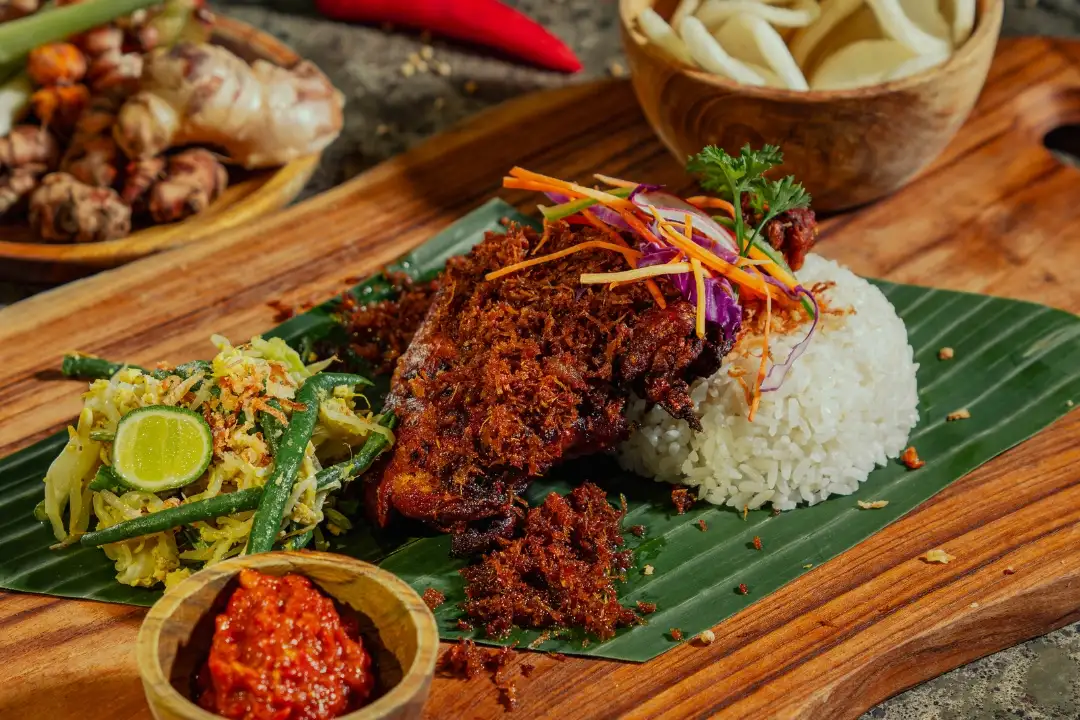
Ubud has always been known as one of Bali’s most meaningful travel destinations. Surrounded by rice fields, tropical greenery, traditional villages, and artistic communities, Ubud offers something deeper than a regular holiday experience. It is a place where visitors come to slow down, reconnect with nature, explore culture, and enjoy food that feels honest and memorable.
In recent years, one dining concept has become especially popular among travelers visiting Ubud. That concept is farm-to-table dining.
Farm-to-table dining is more than a restaurant trend. In Bali, it reflects a natural connection between food, land, farmers, culture, and community. For travelers who want to experience Bali beyond sightseeing, choosing restaurants that use local ingredients can make their dining experience feel more meaningful.
What Farm-To-Table Dining Means
Farm-to-table dining means a restaurant focuses on sourcing ingredients directly from local farmers, nearby producers, and trusted suppliers within the region. Instead of relying mostly on imported or mass-produced products, the restaurant chooses fresh local ingredients that reflect the place where the food is served.
In Ubud, this concept feels especially relevant because the area is closely connected to agriculture, wellness, and traditional Balinese culture.
A farm-to-table restaurant usually focuses on :
- Fresh seasonal produce
- Locally grown herbs and spices
- Support for nearby farmers
- Sustainable food practices
- Authentic local flavors
- Stronger connection between food and community
For travelers, this creates a dining experience that feels more personal and connected to Bali.
Why Local Ingredients Matter in Bali
Balinese and Indonesian cuisine depends heavily on fresh ingredients. Many traditional dishes use herbs, spices, vegetables, coconut, rice, chili, and aromatic roots to create deep layers of flavor.
Common ingredients such as turmeric, ginger, galangal, lemongrass, shallots, garlic, lime leaves, chili, and coconut are essential in many Indonesian recipes. When these ingredients are fresh, the flavor becomes brighter, richer, and more authentic.
Local ingredients also help preserve the identity of Balinese cooking. They bring the taste of the island directly to the plate.
For travelers, eating dishes made with local ingredients creates a stronger sense of place. The meal feels connected to the land, the farmers, and the culture of Bali.
Ubud And The Rise Of Conscious Dining
Ubud has become one of Bali’s main destinations for conscious travel. Many visitors who come to Ubud are interested in wellness, sustainability, yoga, culture, and mindful experiences.
This mindset also affects the way travelers choose restaurants.
Many guests now prefer dining places that:
- Support local communities
- Use fresh ingredients
- Care about sustainability
- Offer authentic food
- Create meaningful experiences
Farm-to-table dining fits perfectly with this type of travel.
Instead of simply eating at a restaurant, guests feel like they are participating in a more responsible and culturally respectful experience.
This is one reason farm-to-table restaurants in Ubud continue attracting travelers from around the world.
Supporting Local Farmers And Communities
One of the most important benefits of farm-to-table dining is its positive impact on local communities.
When restaurants buy ingredients from nearby farmers and producers, they help support local livelihoods. This creates a stronger relationship between the tourism industry and Balinese communities.
In a destination like Bali, where tourism is a major part of the economy, it is important that local people also benefit from the growth of restaurants and hospitality businesses.
Farm-to-table dining helps by :
- Giving farmers more direct opportunities
- Supporting small producers
- Encouraging local agriculture
- Keeping money within the community
- Preserving traditional food knowledge
For travelers, choosing restaurants that support local sourcing is a simple way to enjoy good food while also contributing to the local economy.
Ubud And The Rise Of Conscious Dining
Ubud has become one of Bali’s main destinations for conscious travel. Many visitors who come to Ubud are interested in wellness, sustainability, yoga, culture, and mindful experiences.
This mindset also affects the way travelers choose restaurants.
Many guests now prefer dining places that :
- Support local communities
- Use fresh ingredients
- Care about sustainability
- Offer authentic food
- Create meaningful experiences
Farm-to-table dining fits perfectly with this type of travel.
Instead of simply eating at a restaurant, guests feel like they are participating in a more responsible and culturally respectful experience.
This is one reason farm-to-table restaurants in Ubud continue attracting travelers from around the world.
Supporting Local Farmers And Communities
One of the most important benefits of farm-to-table dining is its positive impact on local communities.
When restaurants buy ingredients from nearby farmers and producers, they help support local livelihoods. This creates a stronger relationship between the tourism industry and Balinese communities.
In a destination like Bali, where tourism is a major part of the economy, it is important that local people also benefit from the growth of restaurants and hospitality businesses.
Farm-to-table dining helps by :
- Giving farmers more direct opportunities
- Supporting small producers
- Encouraging local agriculture
- Keeping money within the community
- Preserving traditional food knowledge
For travelers, choosing restaurants that support local sourcing is a simple way to enjoy good food while also contributing to the local economy.
Freshness Creates Better Flavor
One of the most noticeable advantages of local ingredients is freshness.
Ingredients that travel shorter distances can often be harvested closer to the time they are used. This helps preserve their natural taste, texture, color, and aroma.
Fresh vegetables taste brighter. Herbs become more fragrant. Spices feel more alive. Fruits are sweeter and more refreshing.
This matters especially in tropical dining, where flavor often comes from natural ingredients rather than heavy processing.
A simple dish can become memorable when the ingredients are fresh and carefully prepared.
For guests visiting Ubud in July, when Bali welcomes many summer travelers, fresh meals made with local produce can feel especially enjoyable after a day of exploring under the tropical sun.
Farm-To-Table And Balinese Culinary Culture
Although farm-to-table is often described as a modern dining concept, the idea is actually very close to traditional Balinese life.
For generations, Balinese communities have lived closely with the land. Rice fields, gardens, local markets, and family farms have always played an important role in daily life.
Food is also deeply connected to ceremony, family, and community. Many traditional dishes are prepared using ingredients from local surroundings and recipes passed down through generations.
This means farm-to-table dining in Bali is not just a trend copied from other places. It is a modern expression of something already rooted in the island’s culture.
By respecting local ingredients, restaurants help preserve the relationship between Balinese food and Balinese identity.
Why Travelers Love Authentic Food Experiences
Modern travelers are increasingly interested in experiences that feel real. They do not only want to visit famous places. They want to understand the culture, taste local food, meet local people, and bring home memories that feel personal.
Food is one of the easiest ways to experience a destination authentically.
A meal made with local ingredients can tell a story about :
- The land where the ingredients were grown
- The farmers who produced them
- The traditions behind the recipe
- The culture that shaped the flavor
- The hospitality of the people serving it
This is why travelers often remember meals as one of the highlights of their journey.
In Ubud, a farm-to-table dining experience can become part of the travel story itself.
Better For Sustainability
Farm-to-table dining can also support more sustainable food practices.
When restaurants use local ingredients, they may reduce the need for long-distance transportation. This can lower the environmental impact connected to food supply chains.
Local sourcing can also encourage seasonal eating, which often supports healthier agricultural systems.
While sustainability depends on many factors, restaurants that prioritize local ingredients often take a more thoughtful approach to food, sourcing, and community responsibility.
For travelers who care about responsible tourism, this adds extra value to the dining experience.
The Role Of Restaurant Storytelling
Farm-to-table dining becomes even more powerful when restaurants communicate the story behind their food.
Guests appreciate knowing :
- Where ingredients come from
- Why local sourcing matters
- How dishes are inspired by culture
- What communities are being supported
This storytelling turns a meal into an experience.
In Ubud, where travelers are often looking for meaningful moments, restaurants with a clear story stand out more strongly than places that only promote their menu.
A restaurant that connects farms, culture, and tables can create a deeper emotional relationship with guests.
What To Look For In A Farm-To-Table Restaurant In Ubud
When searching for a farm-to-table restaurant in Ubud, travelers should look for places that do more than simply use the phrase as a trend.
A meaningful farm-to-table dining experience should include :
- Fresh and flavorful dishes
- Local ingredients
- Respect for culture
- Warm hospitality
- Honest storytelling
- Comfortable atmosphere
- Support for nearby producers
The best restaurants combine food quality with a strong sense of place.
They make guests feel that the dining experience could only happen in Bali.
Experience Farm-To-Table Dining At Blado Restaurant Ubud
Blado Restaurant Ubud was created with a deep love for Bali, its people, and its traditions. The restaurant believes that every dish should tell a story and every ingredient should have meaning.
Through its farm-to-table philosophy, Blado works with local farmers and nearby producers to bring fresh ingredients into its kitchen. This commitment allows the restaurant to celebrate authentic Indonesian flavors while supporting the communities that help preserve Bali’s culinary identity.
Guests can enjoy a menu inspired by Indonesian and Balinese cuisine, including signature dishes, tropical brunch selections, local favorites, handcrafted drinks, and comforting meals made with fresh ingredients.
The restaurant’s approach is rooted in culture, community, and nature. It is designed for travelers who want more than just a meal. They want a dining experience that feels connected to Bali.
A More Meaningful Way To Dine In Ubud
Farm-to-table dining in Ubud gives travelers a chance to enjoy food in a way that feels fresh, authentic, and responsible.
It connects guests with Bali’s land, farmers, traditions, and flavors. It supports local communities while creating meals that feel honest and memorable.
For anyone visiting Ubud, especially during Bali’s busy summer season in July, choosing a restaurant that values local ingredients can make the travel experience richer.
Blado Restaurant Ubud invites guests to discover meaningful dining through authentic Indonesian flavors, locally sourced ingredients, warm hospitality, and a deep respect for Bali’s culture and community.
