Why Farm-To-Table Dining Matters in Bali’s Culinary Culture
Bali is known around the world for its breathtaking landscapes, rich traditions, and unforgettable hospitality. Beyond the beaches, temples, and rice terraces, the island also offers a culinary culture deeply connected to nature and community. In recent years, travelers visiting Bali have become increasingly interested in dining experiences that feel more authentic, sustainable, and meaningful.
One concept that continues growing across Bali’s restaurant scene is farm-to-table dining. Especially in destinations like Ubud, where wellness, sustainability, and local culture are strongly valued, farm-to-table restaurants are becoming an important part of the island’s modern culinary identity.
But farm-to-table dining in Bali is more than just a global food trend. It reflects something deeply rooted in Balinese culture itself — the connection between people, land, tradition, and community.
Understanding why farm-to-table dining matters in Bali’s culinary culture helps travelers appreciate not only the food on their table, but also the people and traditions behind every ingredient.
What Does Farm-To-Table Mean?
Farm-to-table refers to a dining approach where restaurants source ingredients directly from local farmers, producers, and nearby communities rather than relying heavily on imported or mass-produced products.
The goal is to create food that is:
- Fresh
- Seasonal
- Locally sourced
- Sustainable
- More connected to the local environment
This concept encourages closer relationships between restaurants and local farmers while helping support smaller agricultural communities.
In Bali, farm-to-table dining naturally fits the island’s traditional way of life because Balinese culture has always maintained a strong connection to agriculture and nature.
Bali’s Deep Connection to Agriculture
Agriculture has always played an important role in Balinese culture. Long before tourism became the island’s main industry, many Balinese communities depended on farming as their primary source of livelihood.
Rice fields, traditional irrigation systems, herbal gardens, and local markets remain essential parts of everyday life across Bali.
One of the island’s most important cultural systems is Subak, the traditional Balinese irrigation system recognized by UNESCO. This cooperative farming philosophy reflects the Balinese belief in balance between:
- Humans
- Nature
- Spirituality
This philosophy strongly influences Balinese culinary traditions as well.
Food in Bali is not simply about eating. It represents gratitude, ceremony, togetherness, and respect for nature.
Farm-to-table dining continues this tradition in a modern way by respecting local ingredients and supporting the communities that grow them.
Why Travelers Are Searching for Sustainable Dining Experiences
Modern travelers are becoming more conscious about how and where their food is produced. Many tourists now actively seek restaurants that:
- Support local communities
- Reduce environmental impact
- Use fresh ingredients
- Offer authentic culinary experiences
- Avoid unnecessary food waste
In Bali, especially in Ubud, this growing awareness has significantly influenced restaurant culture.
Visitors increasingly prefer restaurants that feel:
- Honest
- Locally connected
- Environmentally responsible
- Authentic to Bali
Farm-to-table restaurants naturally appeal to these travelers because they provide dining experiences that feel more meaningful and culturally connected.
The Difference Fresh Ingredients Make
One of the biggest advantages of farm-to-table dining is freshness.
Ingredients sourced directly from nearby farmers often arrive at restaurants much faster than imported products. This helps preserve:
- Flavor
- Texture
- Nutritional value
- Natural quality
Fresh ingredients create noticeable differences in:
- Tropical fruit bowls
- Salads
- Indonesian spices
- Herbal drinks
- Traditional Balinese dishes
The flavors become brighter, richer, and more natural.
In Indonesian cuisine especially, fresh herbs and spices play an essential role. Ingredients such as:
- Lemongrass
- Turmeric
- Ginger
- Galangal
- Lime leaves
- Chili
- Shallots
are most flavorful when freshly harvested.
Restaurants that prioritize local sourcing often create dishes that taste more vibrant and authentic.
Supporting Local Farmers and Communities
Farm-to-table dining also creates positive economic impact for local communities.
When restaurants choose local ingredients, they directly support:
- Small farmers
- Traditional markets
- Local artisans
- Nearby producers
- Family-owned agricultural businesses
This creates a healthier and more sustainable local economy.
In Bali, where tourism development sometimes overshadows traditional livelihoods, supporting local farmers becomes especially important.
Restaurants that work closely with nearby communities help preserve:
- Traditional farming practices
- Local food knowledge
- Indigenous ingredients
- Agricultural heritage
This relationship allows culinary culture to continue evolving without losing its identity.
Farm-To-Table and Balinese Hospitality
Hospitality is one of Bali’s strongest cultural values. Balinese people are known for creating welcoming experiences centered around warmth, generosity, and connection.
Farm-to-table dining strengthens this hospitality because meals feel more personal and intentional.
Guests are not simply served food. They are invited to experience:
- Local culture
- Community stories
- Traditional ingredients
- Authentic flavors
- Meaningful dining experiences
Restaurants that embrace farm-to-table philosophy often focus on storytelling as well.
Guests become more connected to:
- Where ingredients come from
- Who grows them
- How dishes are prepared
- The cultural significance behind recipes
This creates stronger emotional connections between visitors and Bali itself.
Preserving Indonesian Culinary Heritage
Indonesia has one of the most diverse culinary cultures in the world. Every region offers unique flavors, spices, and cooking traditions passed down through generations.
However, as globalization grows, many traditional recipes risk being forgotten or replaced by more commercialized food trends.
Farm-to-table restaurants help preserve Indonesian culinary heritage by continuing to use:
- Traditional ingredients
- Local cooking methods
- Indigenous spices
- Regional recipes
This is especially important in Bali, where food is deeply connected to ceremonies, family traditions, and cultural identity.
Restaurants that celebrate authentic Indonesian cuisine help introduce international travelers to flavors they may never experience elsewhere.
Why Ubud Became a Center for Conscious Dining
Ubud has become one of Bali’s leading destinations for wellness and conscious living. Travelers visiting Ubud often seek experiences focused on:
- Sustainability
- Nature
- Culture
- Health
- Mindful travel
This environment naturally supports the growth of farm-to-table restaurants.
Many dining spaces in Ubud now prioritize:
- Organic ingredients
- Seasonal menus
- Plant-based options
- Ethical sourcing
- Community support
At the same time, Ubud restaurants often combine these modern concepts with traditional Balinese identity.
This balance creates dining experiences that feel both contemporary and deeply rooted in local culture.
The Role of Farm-To-Table in Future Tourism
Sustainable tourism is becoming increasingly important across Bali.
Travelers are beginning to understand that supporting local businesses and responsible restaurants helps protect the island’s future.
Farm-to-table dining contributes to sustainable tourism by:
- Reducing transportation impact
- Supporting local agriculture
- Encouraging responsible sourcing
- Preserving culinary traditions
- Strengthening local economies
Restaurants that embrace this philosophy often create positive long-term relationships with both guests and local communities.
As tourism continues evolving, farm-to-table dining will likely become even more important in defining Bali’s culinary identity.
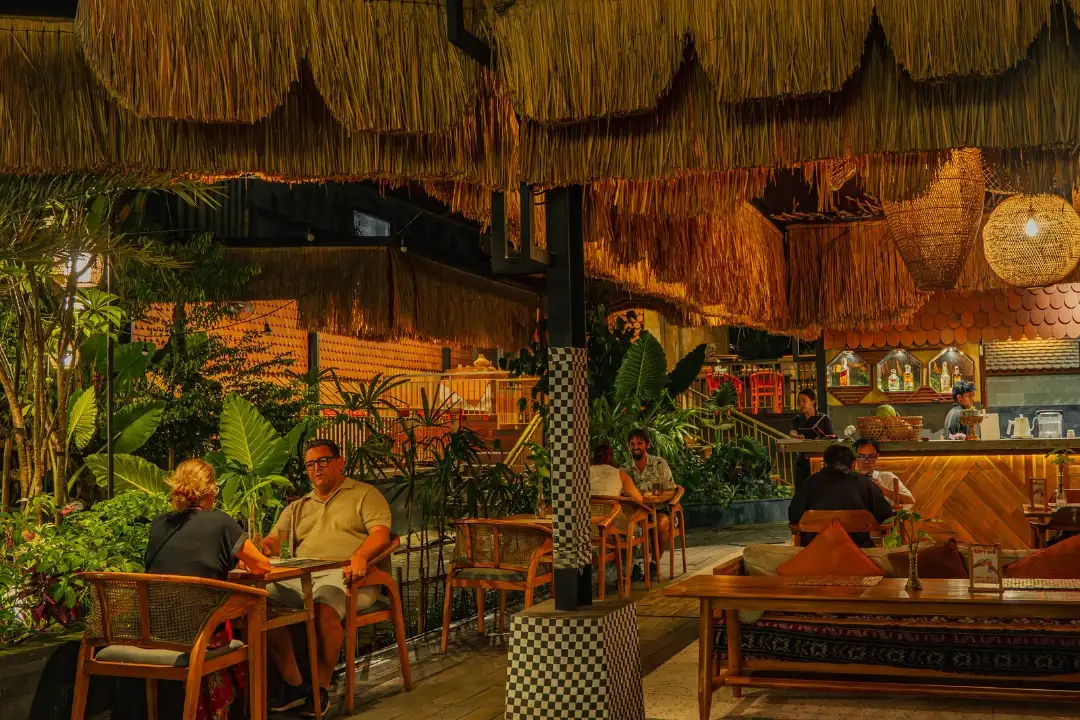
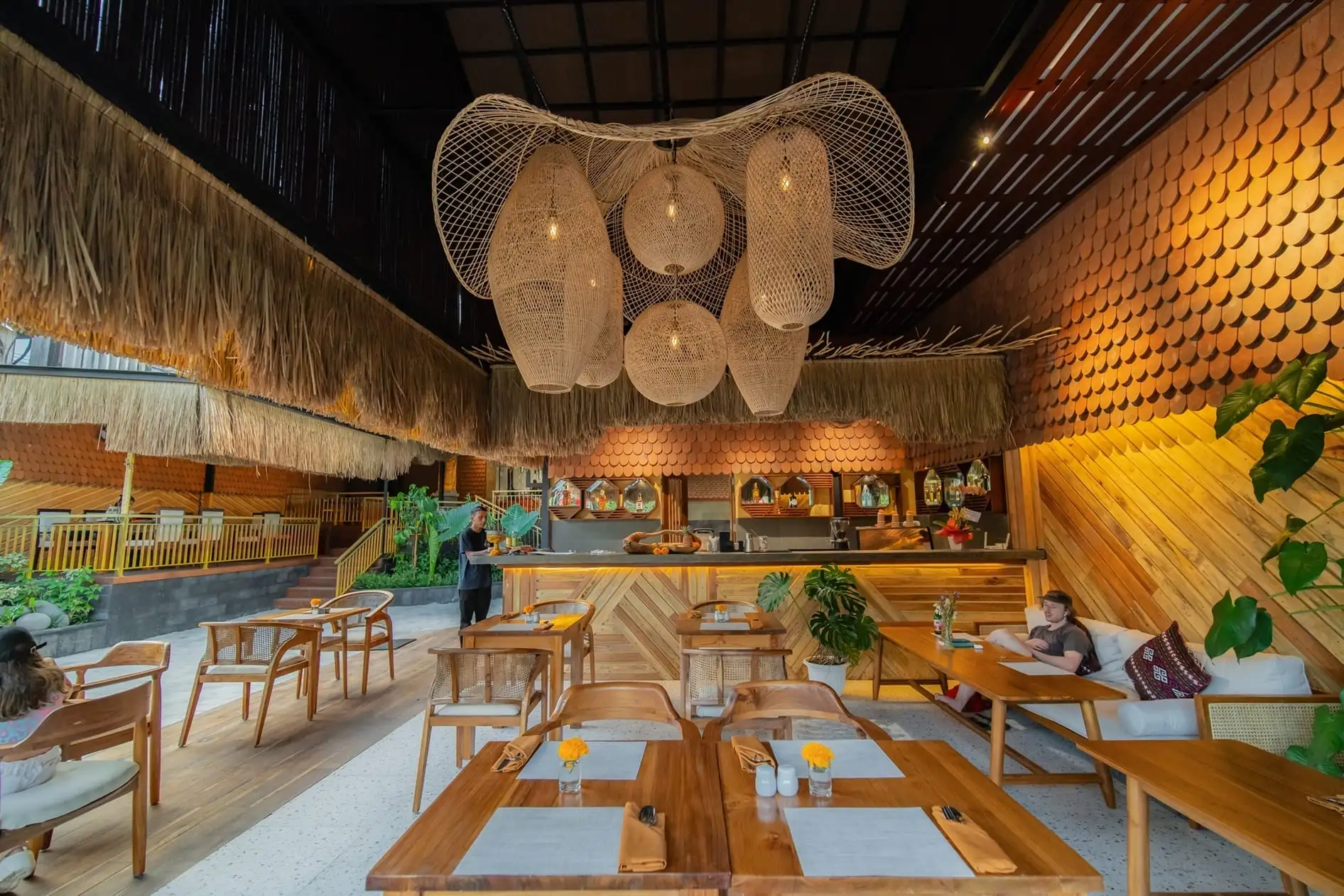
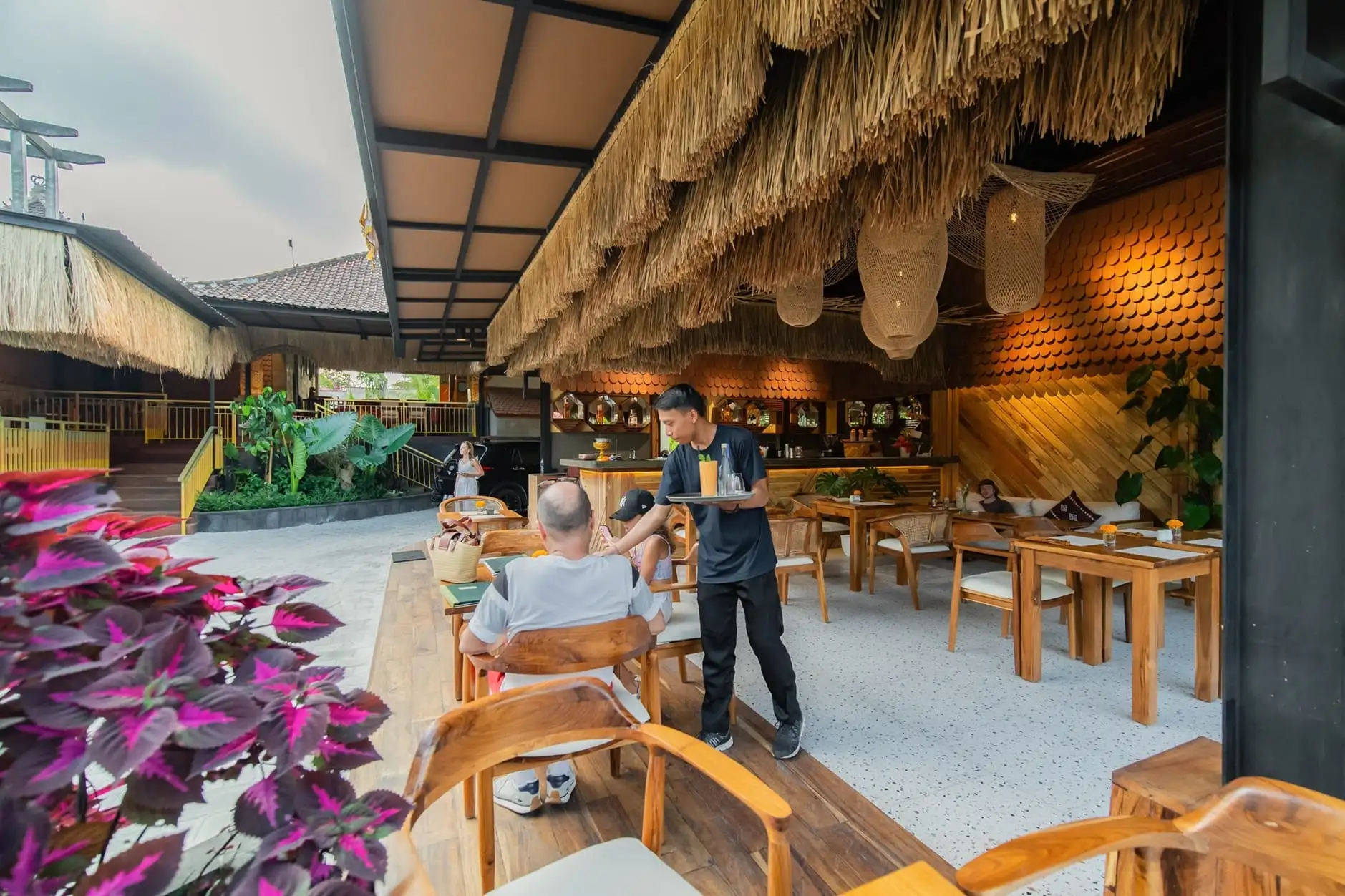
Experience Meaningful Farm-To-Table Dining at Blado Restaurant Ubud
Blado Restaurant Ubud believes dining should feel connected to culture, community, and nature.
Inspired by Bali’s rich culinary traditions, Blado Restaurant works closely with local farmers and nearby producers to source fresh ingredients that celebrate authentic Indonesian flavors.
From tropical brunch favorites to traditional Balinese specialties, every dish is thoughtfully prepared using locally sourced ingredients designed to create meaningful dining experiences in the heart of Ubud.
More than simply serving food, Blado Restaurant aims to preserve Bali’s culinary heritage while supporting local communities and offering guests a warm, authentic atmosphere inspired by the spirit of the island.
For travelers searching for authentic Indonesian cuisine, tropical dining experiences, and a deeper connection to Bali’s culture, farm-to-table dining at Blado Restaurant offers an unforgettable culinary journey rooted in authenticity and respect for local traditions.